Feeds:
Posts
Comments

Archive for the ‘Tips for Better Painting’ Category

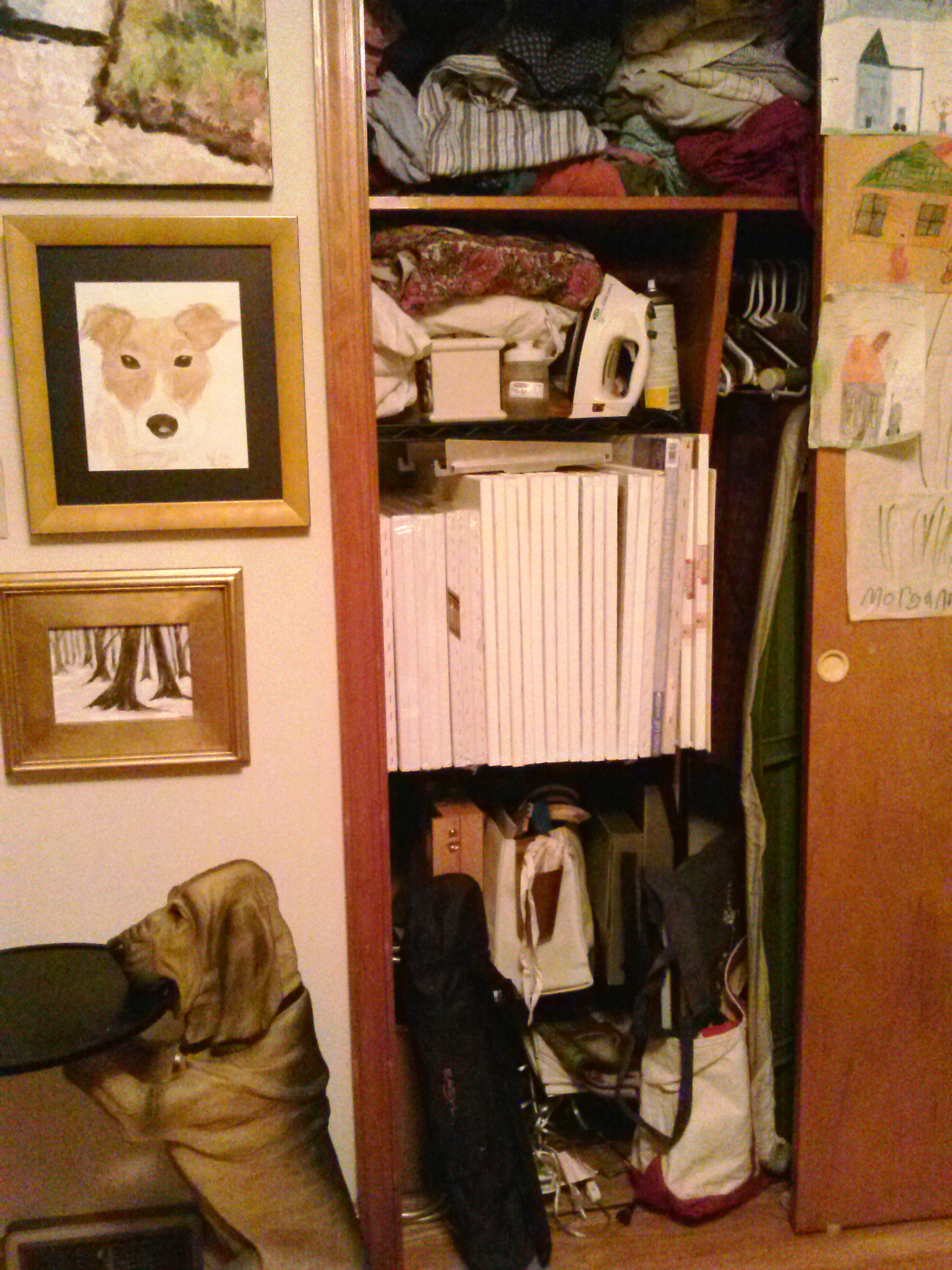
Studio Clean-up Wall Cab Studio Clean-up Cabinet Studio Clean-up Closet Studio Clean-up Girls Art Still not sure what got into me this weekend but I went into cleaning mode.  When you paint full-time supplies begin to pile up and sometimes get out of control.  And about once a year I can’t take it any more and decide to organize.  I guess that is what happened this weekend.  So I didn’t do much painting but got everything ready so that I can be more creative this week.

Art supplies – brushes, paints, canvas, easels, frames, framing supplies, papers, palettes, etc. – take up a LOT of space.  Having them in some kind of order makes it easier to be creative.

On the closet door in my studio room I have several paintings/drawings that my nieces did for me over the years.  They were probably 4 or 5 when they gave me these.  Now they are both in college.  WOW!  Where did that time go.

Read Full Post »

Adding a Table to an old Abstract

Adding a Table to an old Abstract

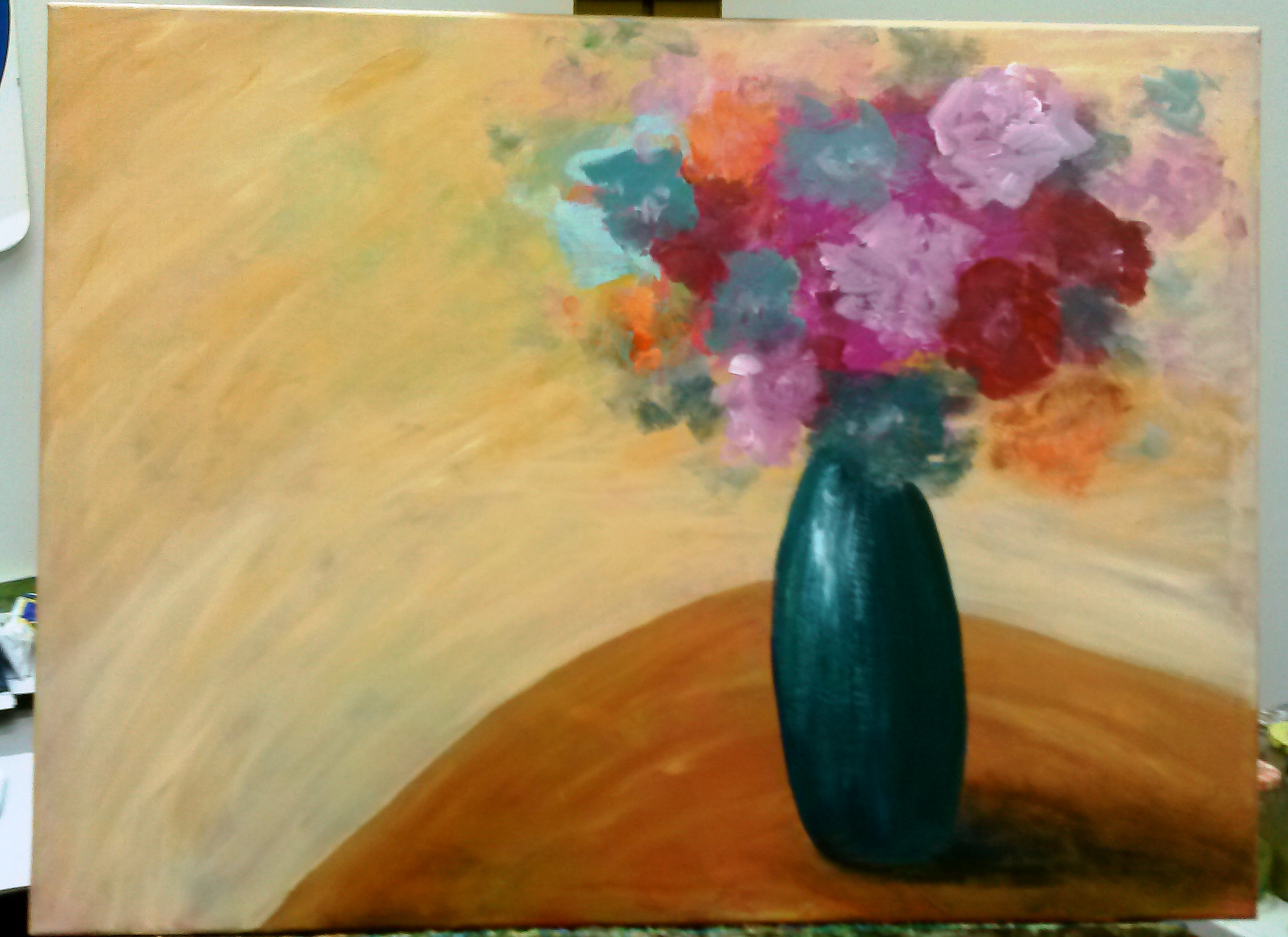
At class last night I decided to transform an old abstract painting into something else.  You can paint right over some paints and make an entirely different creation.  If the paint is especially thick you can sand it down lightly with a fine sandpaper.  I am working in acrylic paints with this one that didn’t need sanding.  I started with an abstract that I did back in February (you can read about it here) and started painting in a table.

Next I started thinking about where I wanted to add a vase of flowers so that I could paint in a background all around where the flowers would be.  And I added a vase and started firming up the shapes of the flowers.  Tonight I hope to continue putting in details that will finish it off as a “representational abstract” painting.

Abstract Change 3

Read Full Post »

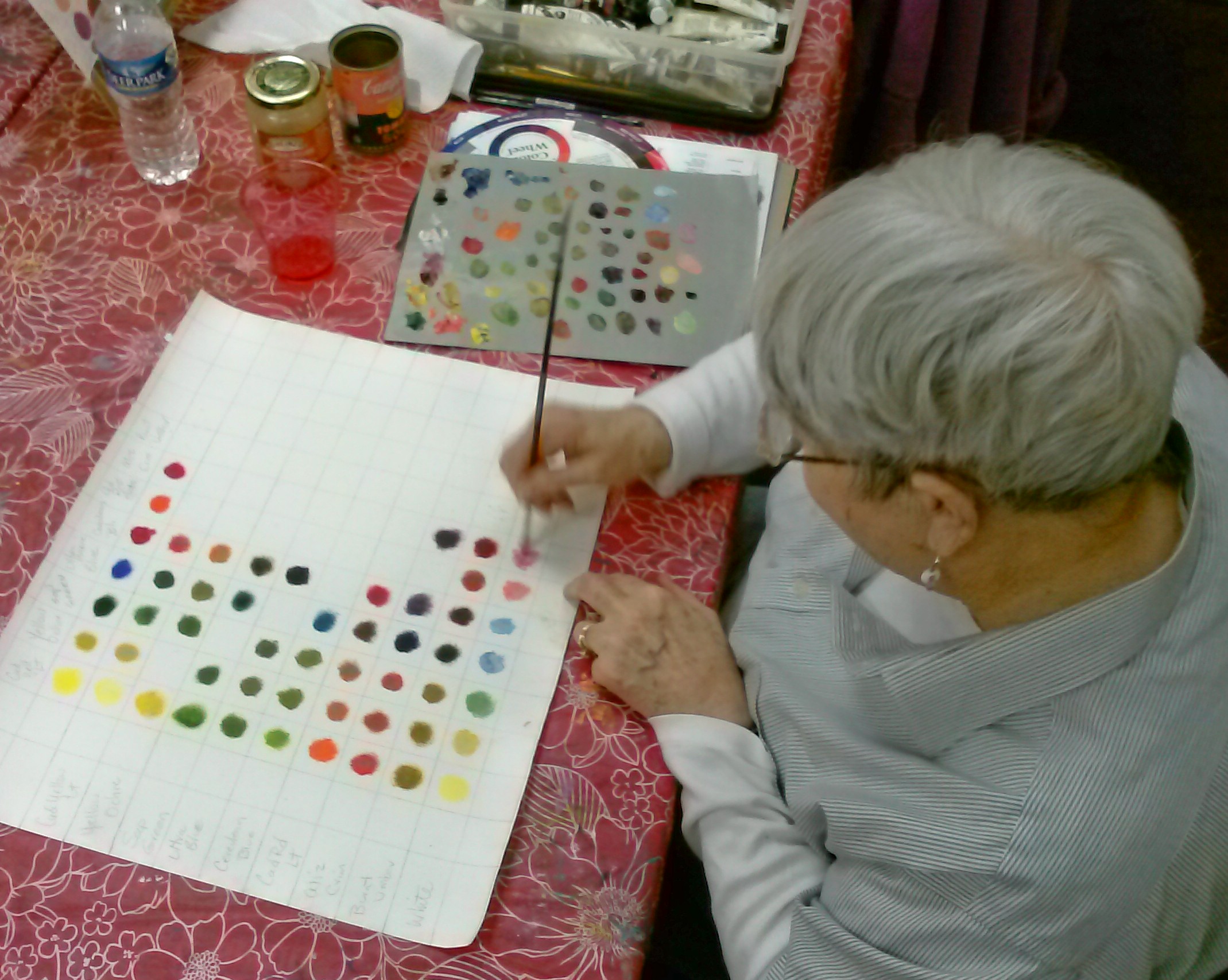
Adult Class  Pat with color chartIn our adult art classes students paint whatever subject matter they prefer.  That way they get to learn while painting something they would like to have.  But ever so often I ask them to do a lesson in color.  Yesterday we painted a color chart.  Here is Pat working on her chart.  This exercise has a painter list the colors they use most (about 10 of them) across the top and down the left edge of a chart paper or canvas and then one by one you mix the two corresponding colors together and put it on the chart.  This will give the painter practice in color mixing and when the chart is complete it provides a useful reference to keep handy when you need to find a particular color.  It is a little tedious to make a chart but worth it for what you can learn from doing it.

Read Full Post »

value scale multi colorOne of the first things I talk about in my art classes (and then I harp on about it continually) is that it is so important to use a variety of values in your paintings.  Most new painters tend to work in the middle values.  In other words, if you  look at a value scale of 1 -10 (light to dark) most people paint in the range of 4 thru 7.  And if the blues, yellows, greens, reds, etc. that you use are all in that middle range then your painting will appear flat.  You MUST get some really light and really dark values into each painting for it to be successful.  And the way to do this is to practice. 

I was reading through a Walter Foster Publication called The Daily Book of Art and found an interesting quote.  Joseph Stoddard said that his friend and artist Marilyn Simandle told him that “color gets all the credit, but value does all the work”.  I couldn’t have said it better myself.  🙂

Read Full Post »

SAMSUNG

Sketch Book Notes

Sketch Book Notes

One of the best tips I can suggest for artists, both beginners and advanced, is to always carry a sketchbook.  Cameras are great too but often they do not capture the vividness of color.  And a camera can’t capture the “feel” of the scene.  These are things you can jot down in your sketchbook and they become invaluable to you when you begin painting that scene.  They will help you  to relive the scene making for a better painting.  I have a shelf full of sketch books and often refer back to notes I made years ago that reminds me of something I may have forgotten but will improve my work.  Take a camera; carry a sketchbook; make notes.  You’ll become a better painter.

Read Full Post »

Art in Bloom at Boston Museum of Art - 2012

Art in Bloom at Boston Museum of Art – 2012
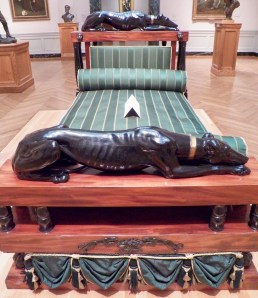
"Dog Bed" - Boston Museum of Fine Art

“Dog Bed” – Boston Museum of Fine Art

This new year I am going to introduce a few different concepts on my blog.  The first is “Tips to Being a Better Painter”.  This is the first one.

When I first became serious about painting I would read and study everything I could find about different styles of painting.  I would go to as many galleries and museums as possible to see art.  And then a good friend who is also a painter (and she studied painting in college) said that her professor used to tell her that for every hour you make art you should spend an hour looking or studying art.  I have made that a habit.
The Souper Dress - Boston Museum of Fine Art

The Souper Dress – Boston Museum of Fine Art

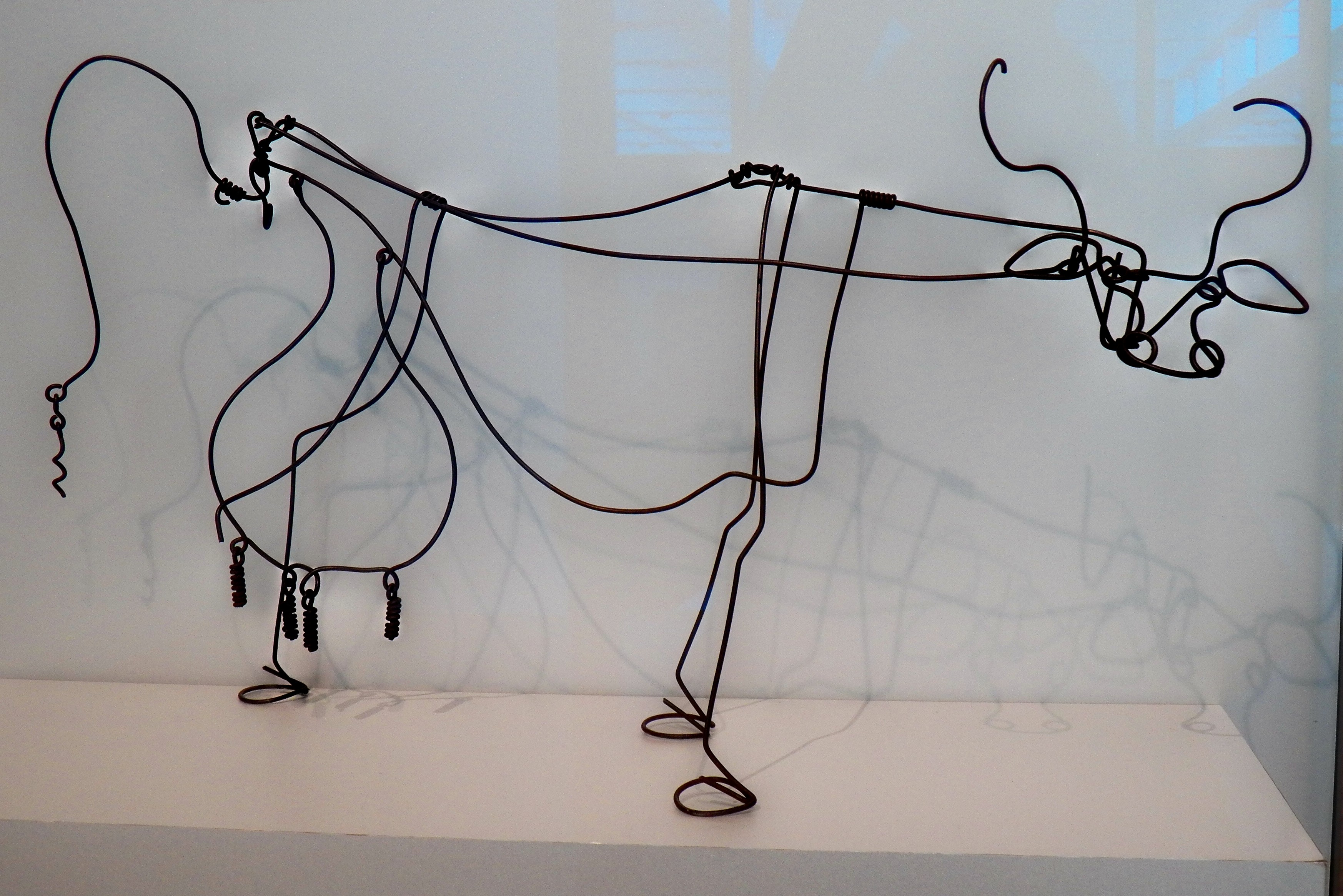
Here are some examples of art that I have studied.  These photos are from my trip last year to the Boston Museum of Fine Art.  I took many pictures and pull them up on my computer and look at them over and over.  Many times the things I “study” are not necessarily paintings as I have shown you here.  I love to see other types of creativity.  I especially love the “Calder Cow”!

The Calder Cow - Boston Museum of Fine Art

The Calder Cow – Boston Museum of Fine Art

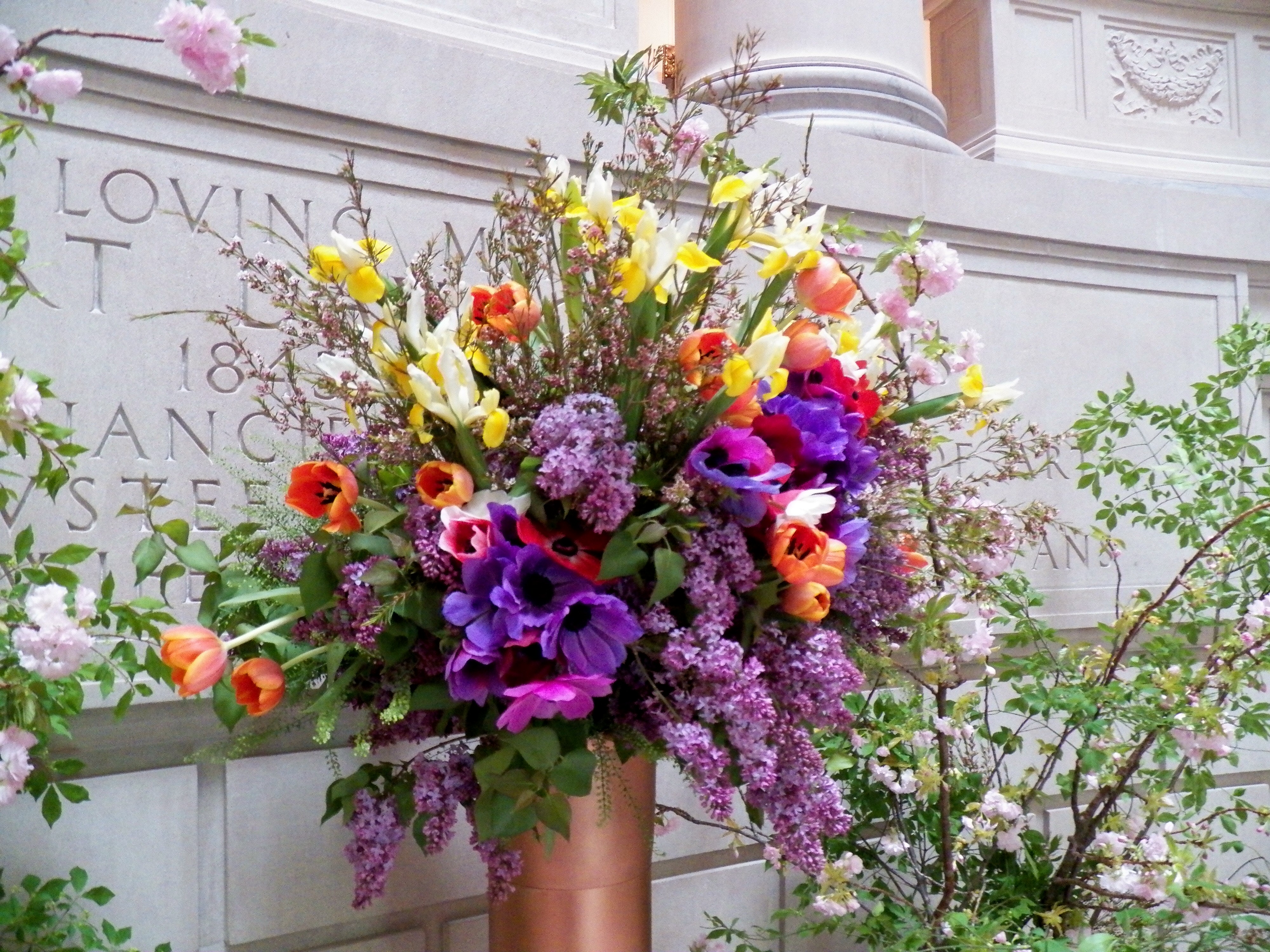
For instance, the floral arrangement was a special show the garden clubs in the Boston area were doing on this particular day that I was at the MFA.  They did arrangements that interpreted a painting or work of art.  It was interesting to see because obviously they had to look closely at a work to pull out their interpretation.

So to be a better painter don’t just spend more time painting.  Also  spend more time looking and studying art of all types.  You’ll see a difference in your work.

Read Full Post »

« Newer Posts