Feeds:
Posts
Comments

Archive for the ‘Little Known Facts’ Category

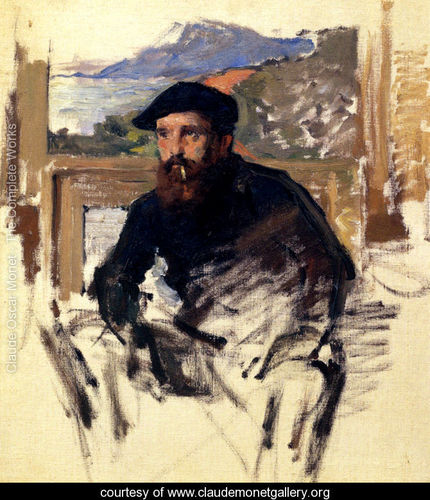
Self Portrait in His Atelier

Self Portrait in His Atelier

Monet (right) in his garden

Monet (right) in his garden

Born on November 14, 1840 in Paris, France, Claude Monet was a founder of Impressionism and is probably it’s best known artist.

The term “impressionism” came from his painting, Impression Sunrise.  He may also be the most prolific of the Impressionist painters producing many plein-air impressionist paintings.

Many people think immediately of Giverny and his garden when thinking of Monet.  His water-lily paintings are some of his most famous.  Read more about Monet here and see his works.

Read Full Post »

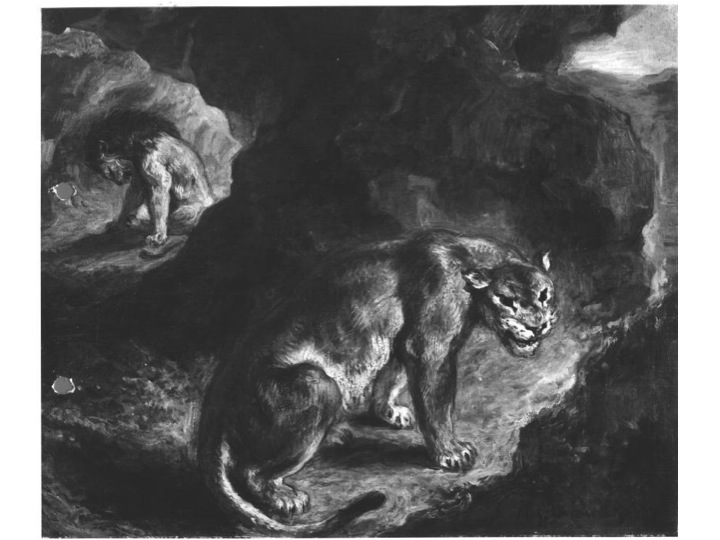
Stolen Delacroix

Stolen Delacroix

41 years ago today the largest art heist in Canadian history took place including this Delacroix.  Armed thieves made off with $2 million (approximately $11 million in today’s dollars) in art from the Montreal Museum of Fine Art including works by Rembrandt, Corot, and Gainsborough.  The three thieves set off an alarm or they would have made off with even more art.  No one has ever been arrested for the crime.    You can read more about it here.

When I read stories like this I always wonder where is all that art???  Is someone enjoying it somewhere or is it stuck in a storage unit???  What a shame.

Read Full Post »

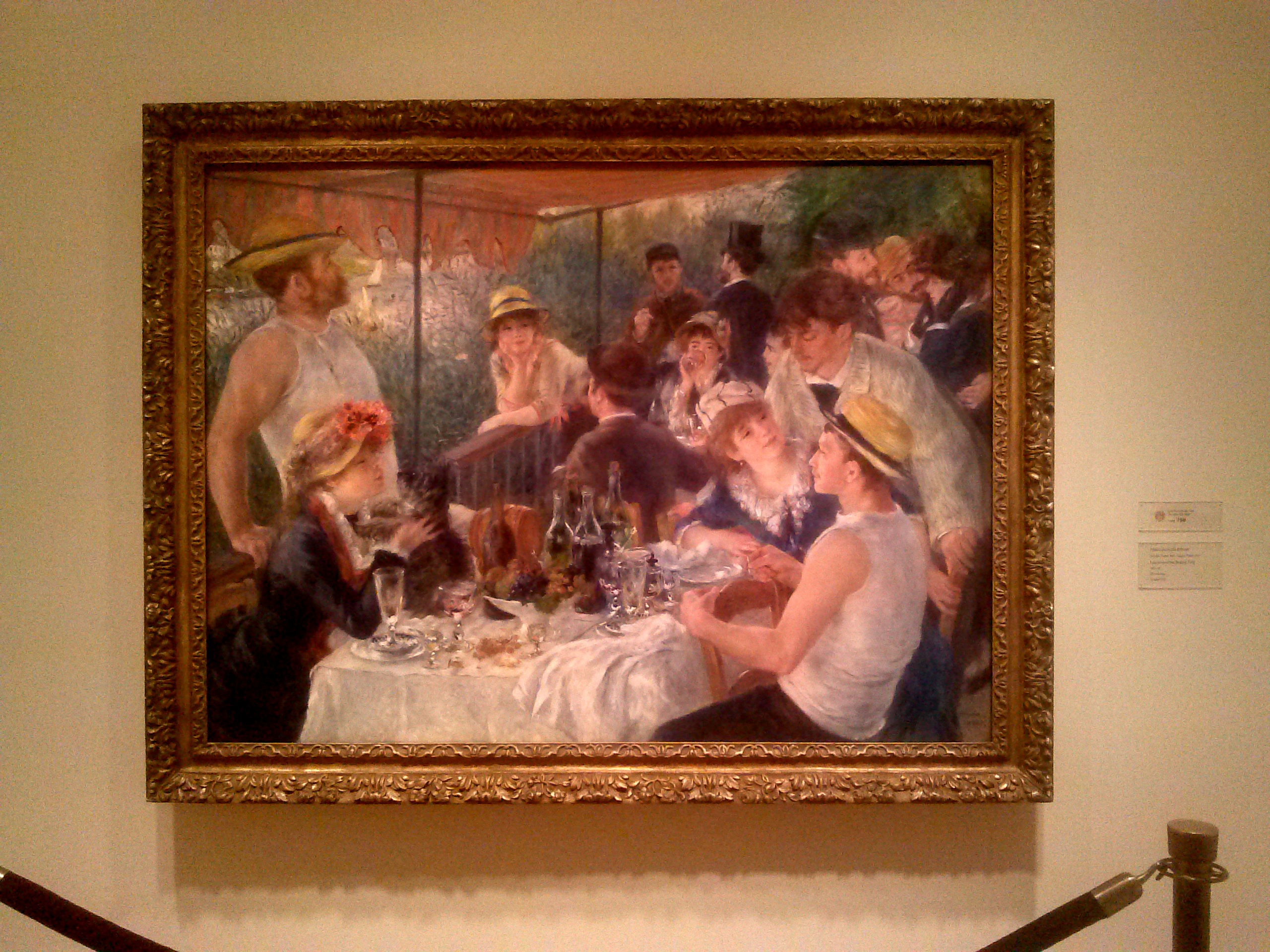
Phillips LuncheonOne of the most beautiful examples of impressionism is “Luncheon of the Boating Party” painted by Pierre-Auguste Renoir (1841-1919).  Painted in 1880-81 in oil on canvas, it was acquired by Duncan Phillips in 1923 for $125,000.  It is the anchor piece of The Phillips Collection in Washington DC.  Read more about the painting here.  The Phillips offers a cell service for hearing about some of their paintings.  You can call 202-595-1839, wait for the prompt and put in #75 to hear more about this beautiful painting.

This past weekend I spent some time at The Phillips enjoying some of the wonderful art that Phillips collected.  (Read more about The Phillips Collection here.) If you ever have an opportunity to see his collection make the time.


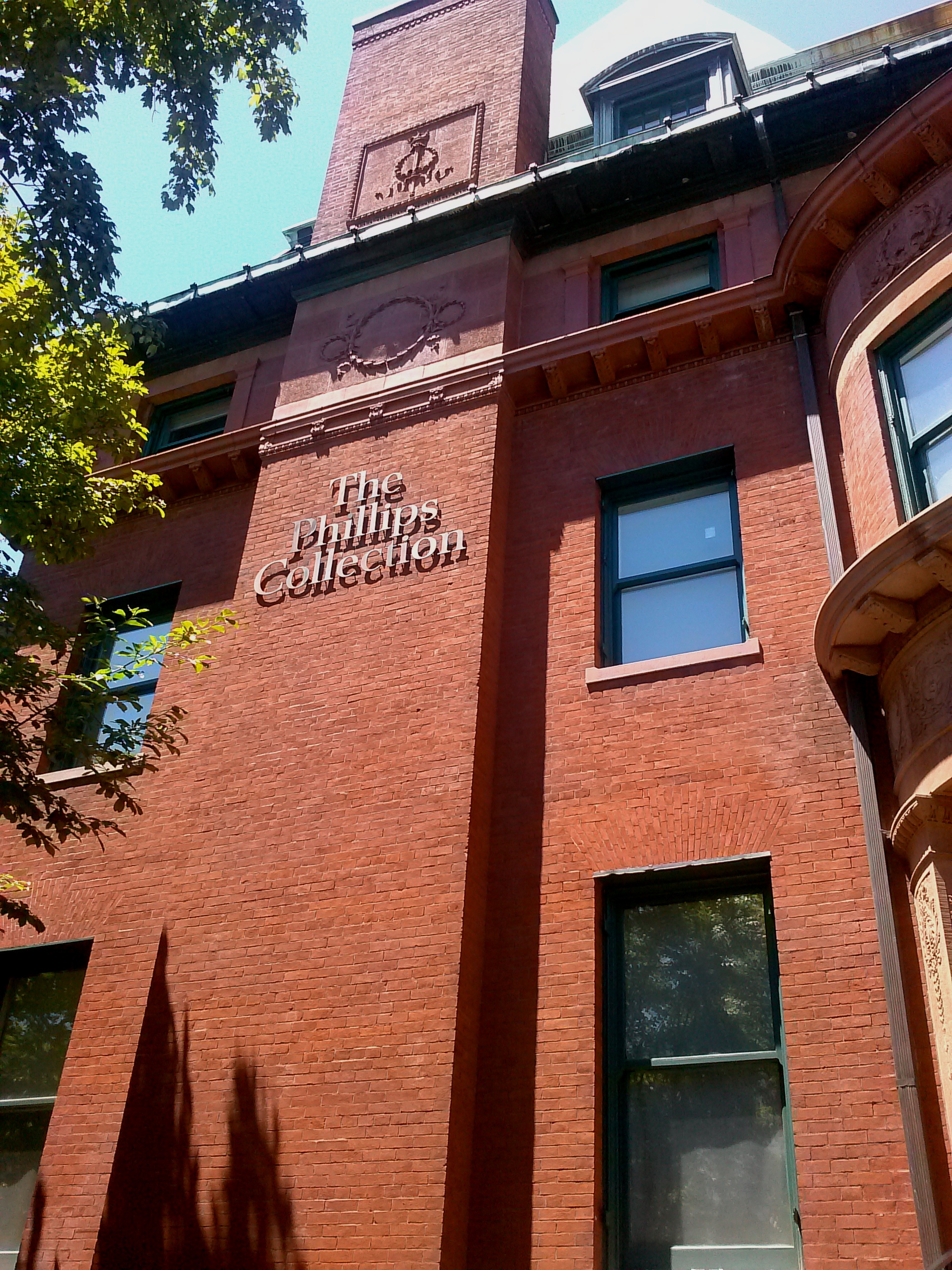
Phillips OutsideHoused in his wonderful old house (that has been expanded over the years) right off of DuPont Circle in DC, it offers wonderful examples of Impressionism, Post-Impressionism as well as Modern Art.  Make the trip.

Read Full Post »

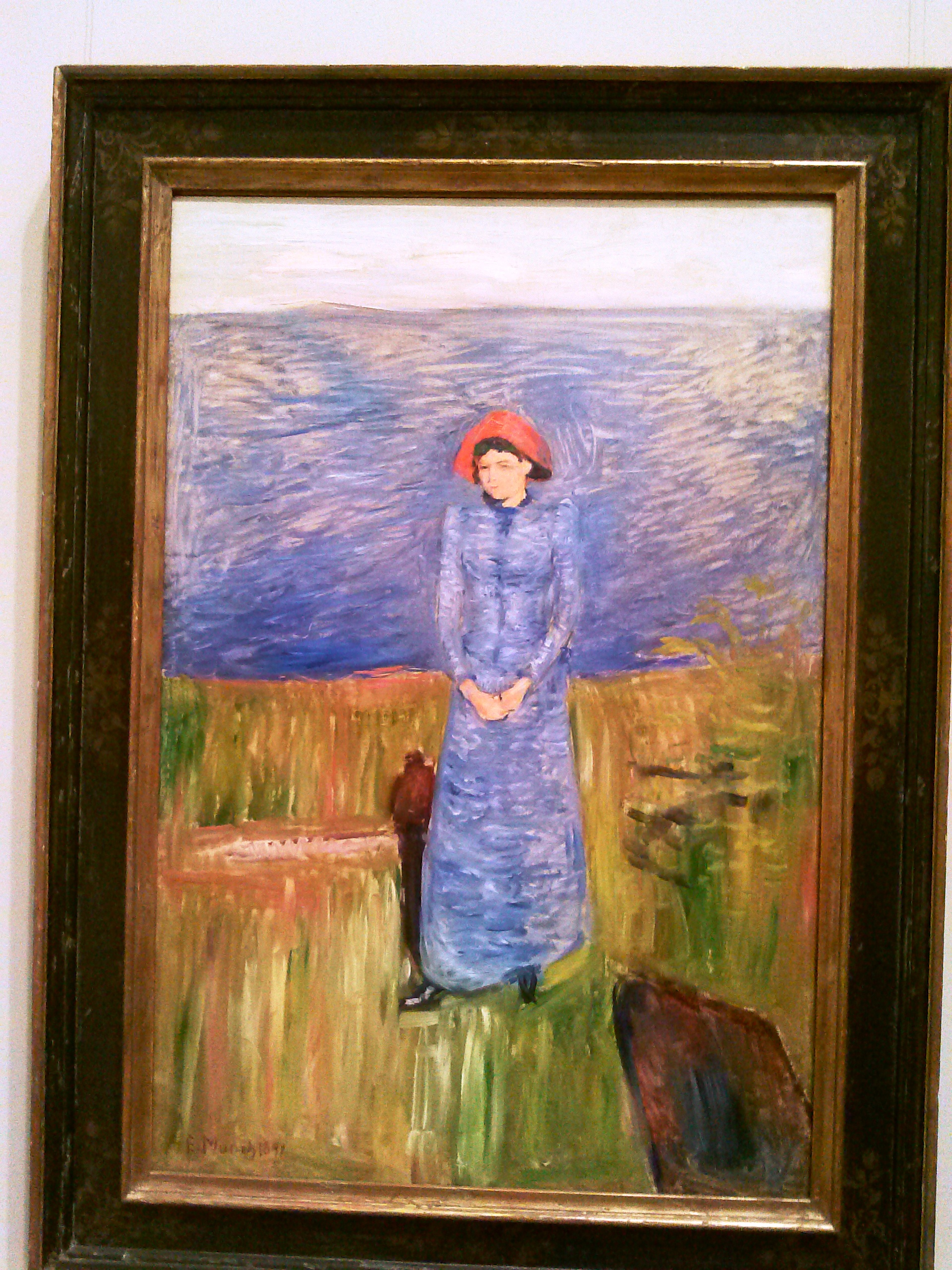
Woman in Blue against Blue Water Edvard Munch

Woman in Blue against Blue Water
Edvard Munch

We have all seen “The Scream” by Edvard Munch, the Norwegian artist (you can see a post I did earlier about its record sale here)  but I’ll bet you aren’t as familiar with these paintings that he did.  I saw them recently at the Metropolitan Museum of Art in New York.  The Woman in Blue against Blue Water is an oil on canvas painted in 1891.


Cypress in Moonlight Edvard Munch

Cypress in Moonlight
Edvard Munch

Cypress in Moonlight is also an oil on canvas. This one didn’t have a date and while I searched to find more I didn’t find anything because both of these pieces are part of “Private Collections”, meaning they are on loan to the museum but owned by a private party.

Read Full Post »

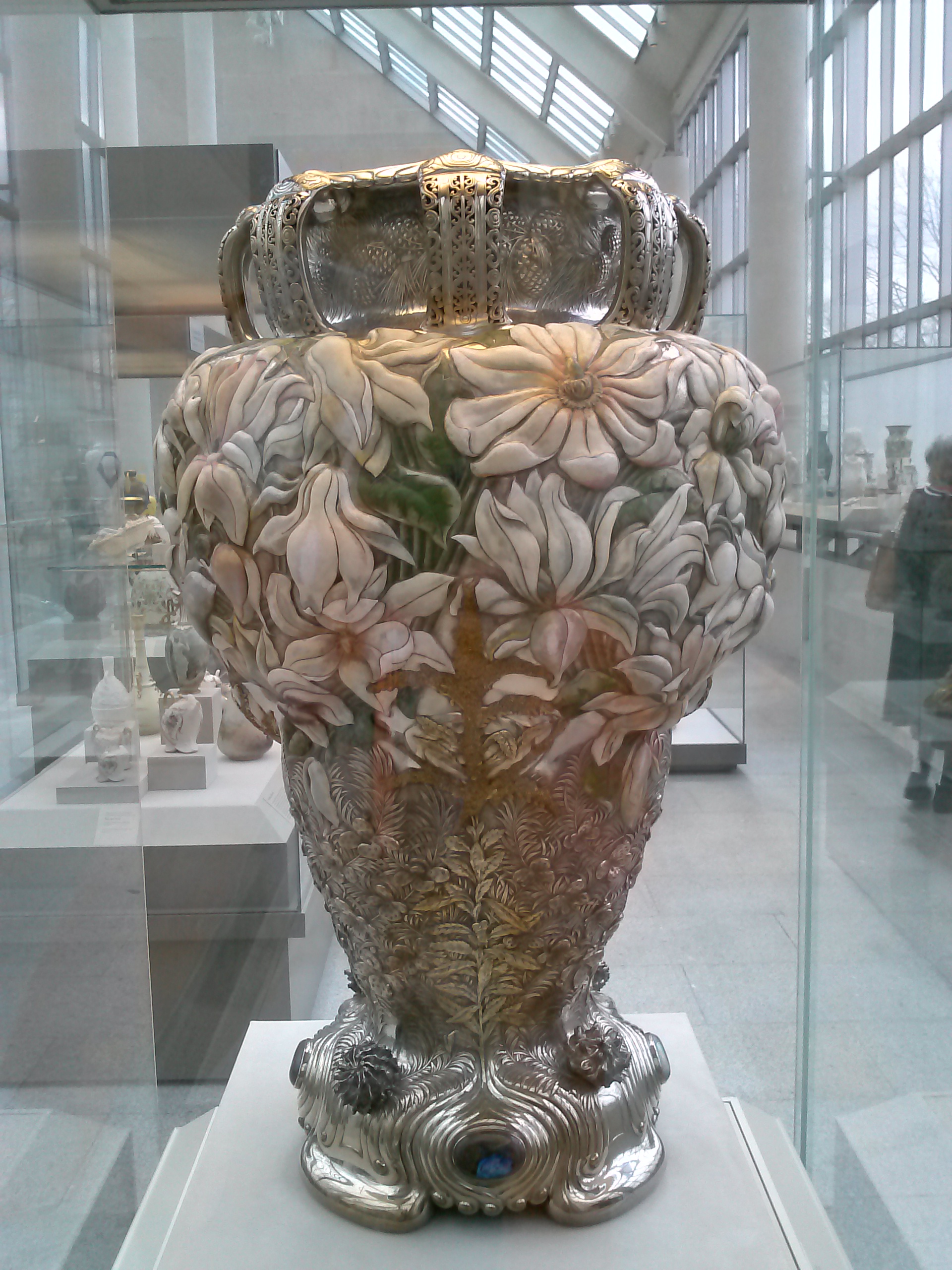
Magnolia Vase Tiffany & Co., ca. 1893 Metropolitan Museum of Art

Magnolia Vase
Tiffany & Co., ca. 1893
Metropolitan Museum of Art

I finally took a little time to edit some of the photos that I took on my recent visit to the Met in New York City so that I can share some of the wonderful things that I saw.  One thing I enjoy is just wandering from gallery to gallery in large museums and seeing what appears.  While doing just that I came across this marvelous Tiffany Vase on display.  It was designed by John T. Curran (1859-1933) in New York City in 1893.  And it made of silver, gold, enamel and opals.  Here’s what the description card said:  The Magnolia Vase was the centerpiece of Tiffany & Co.’s display at the 1893 World’s Columbian Exposition in Chicago – a display Godey’s Magazine described as “the greatest exhibit in point of artistic beauty and intrinsic value, that any individual firm has ever shown.”  The design of the vase was a self-conscious expression of national pride.  The vegetal ornament refers to various regions of the United States: pinecones and needles symbolize the North and East; magnolias, the South and West; the cacti, the Southwest.  Representing the country as a whole is the ubiquitous goldenrod, fashioned from gold mined in the United States.  The work was heralded by the editor of the New York Sun as “one of the most remarkable specimens of the silversmith…art that has ever been produced anywhere.”  You can read more about the vase here.

Read Full Post »

Little Dancer - Edgar Degas

Little Dancer – Edgar Degas

Over the years I have posted many times about Edgar Degas and his dancers.   The Little Fourteen Year Old Dancer that he sculpted in 1880 is just beautiful.  Degas exhibited the original version of this sculpture at the 6th Impressionist exhibit in 1881.  The wax original was tinted to simulate flesh, clothed in a fabric bodice, tutu, and ballet slippers and topped with a horsehair wig tied behind with a silk ribbon.  Can you imagine seeing that???!!!  Did you know that this sculpture was not cast in bronze until after Degas died.  His family had it done and 69 sculptures survived the bronzing process.  (You can read and see more about it here and at the link at the end of this post.)


Degas Dancer from the back

Degas Dancer from the back

The wonderful thing about seeing the sculpture at the Metropolitan Museum of Art recently is that they have it displayed right in the middle of a gallery where you can walk all the way around it.  Wonderful! And there are many Degas Dancer paintings hanging in the gallery with it.  A dancer would be in heaven!

There is much known and written about Degas and his dancers.  Check it out here.

Read Full Post »

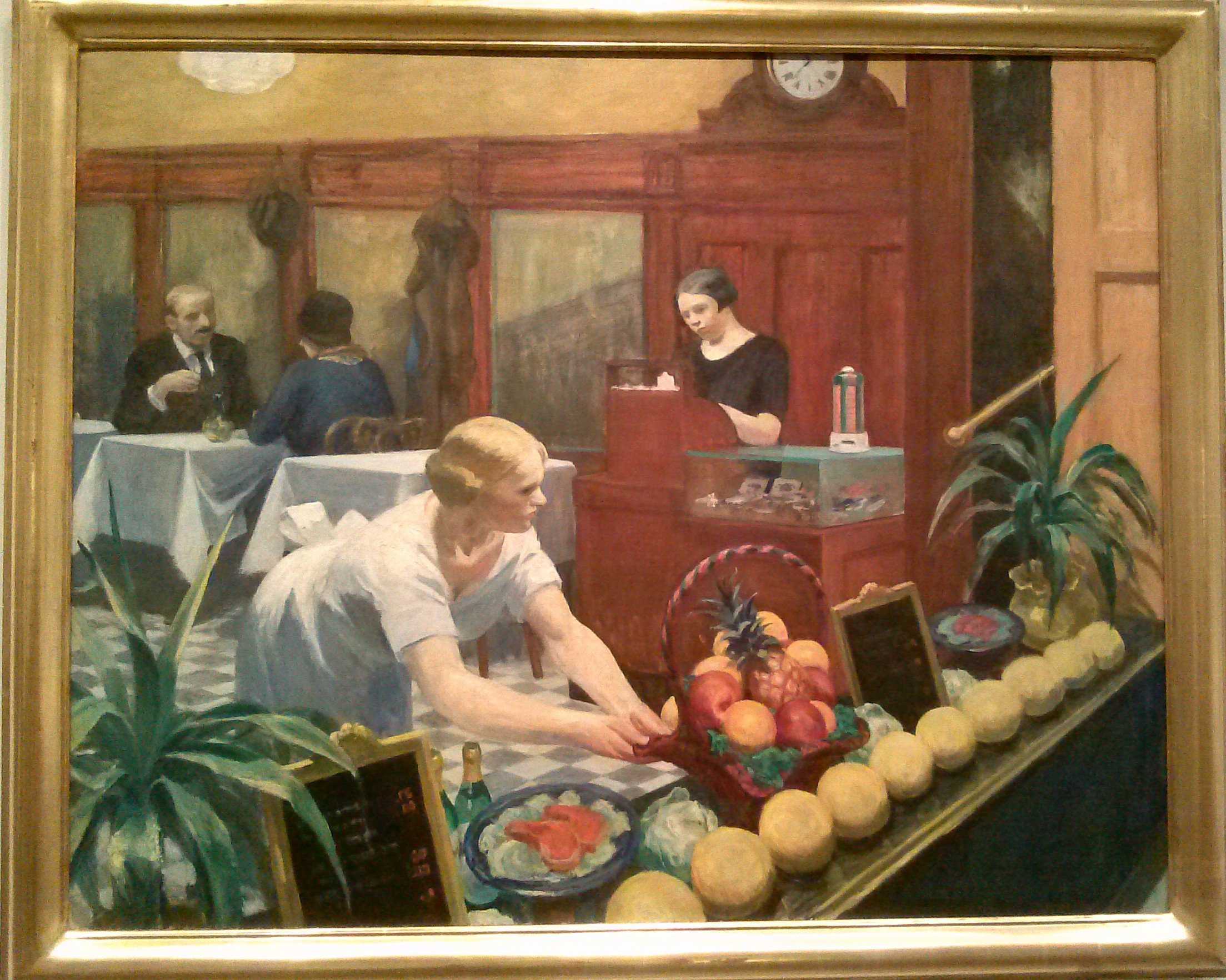
Hopper Table for Ladies Image There is so much to see at The Metropolitan Museum of Art, as I have been sharing over the last few days, that it’s hard to know where to look.  I narrowed down my time there to some galleries I have never had a chance to visit.  One was the “Modern Art” galleries.

I found two Edward Hopper paintings there that were interesting in that they showed the range of his subject matter.  The first is called “Tables for Ladies, painted in 1930, oil on canvas.  It is a good example of the observations he made of everyday life. 

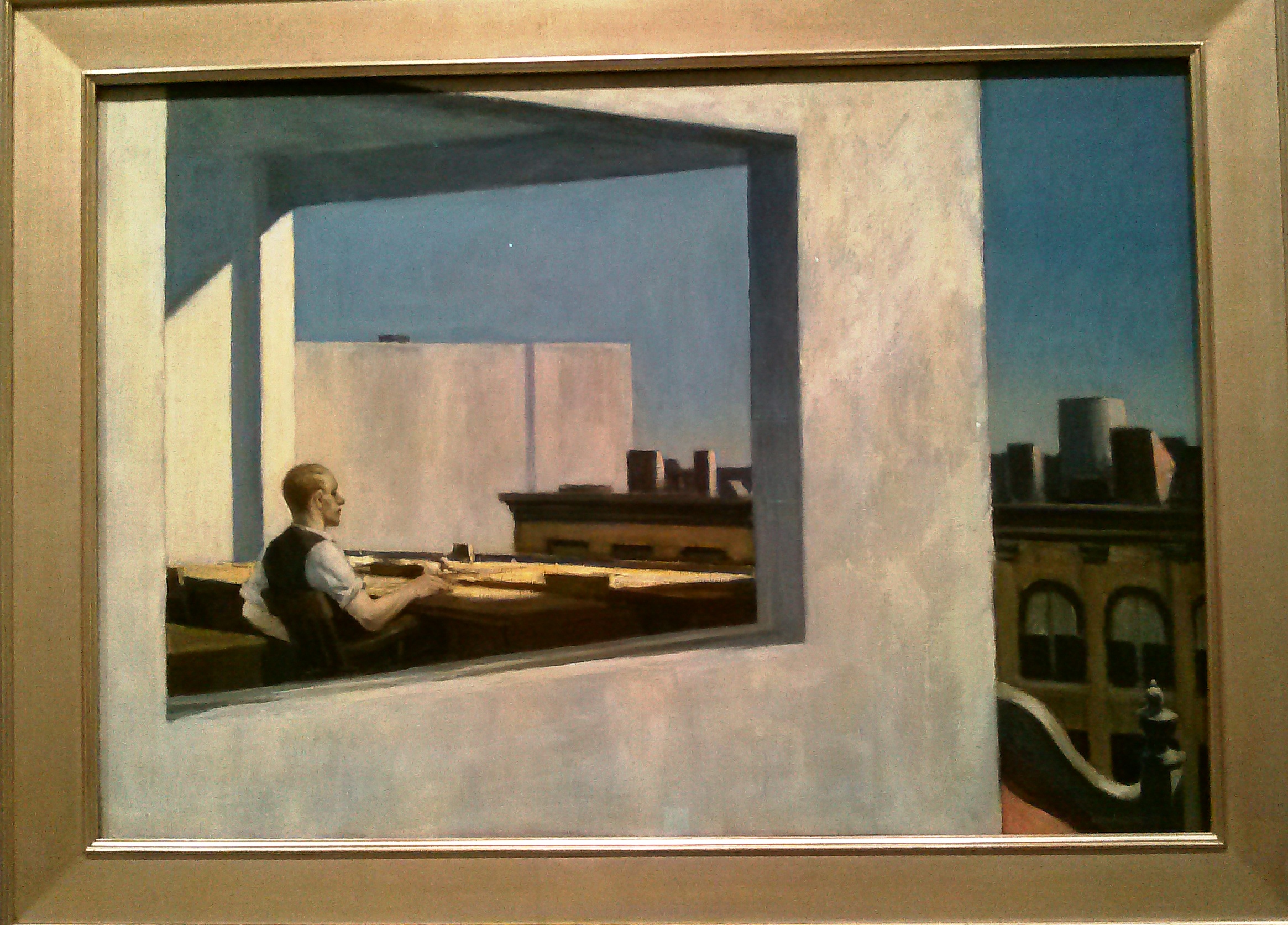
Hopper Small Office ImageThe second one is “Office in a Small City”  painted in 1953, oil on canvas.  He often painted solitary figures that seemed emotionally detached from other people or their surroundings.  This is a good example.  You can learn more about Hopper by clicking here.

Read Full Post »

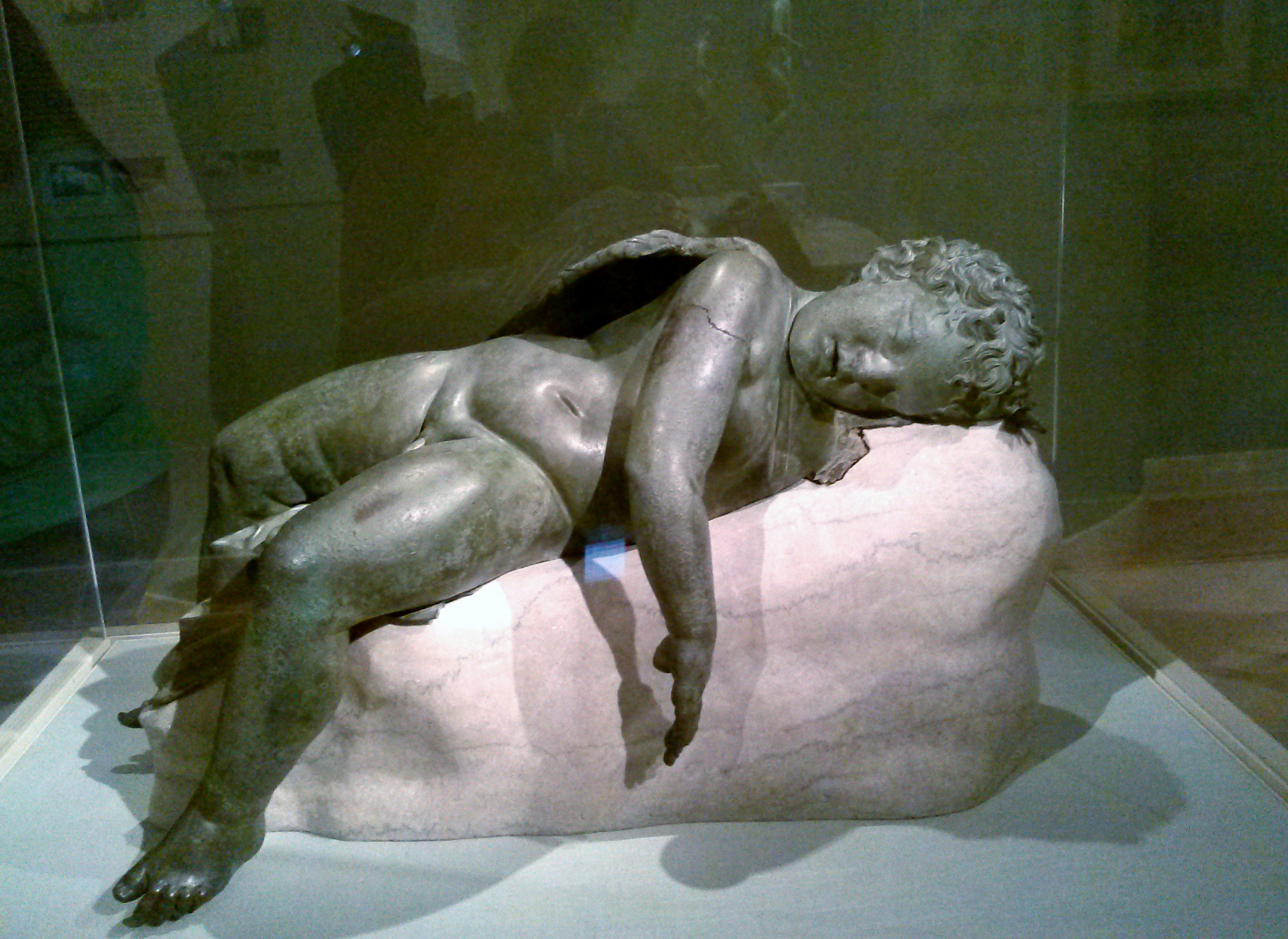
CAM00618There is so much to see at The Metropolitan Museum of Art in New York that I didn’t have any problem gathering loads of photos and information to share on my blog.  I mentioned a few months ago that I have a desire to learn to sculpt so I was so happy to see this special exhibit that the Met had of Sleeping Eros, a bronze statue of Greek origin from the Hellenistic period dating to the 3rd-2nd Century B.C.  It is said to be from Rhodes.  It is amazing that it has survived in such good shape.  You can see the wonderful detail in the work.  Read more about this exhibit here.

I still plan to show my favorite from the Fashion exhibit but it will be tomorrow.  🙂CAM00621

Read Full Post »

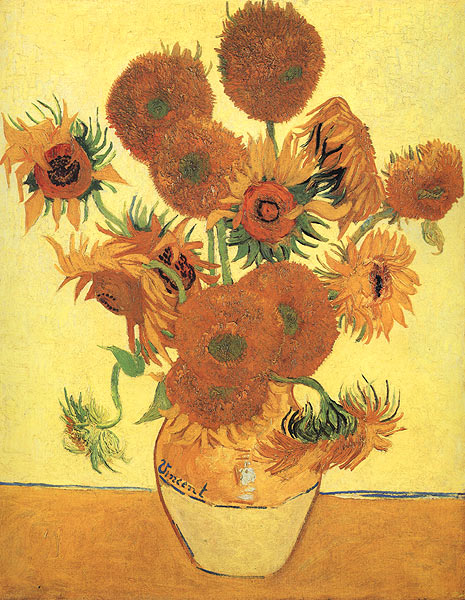
vangogh_sunflowers1888Much has been written about the mental state of Vincent Van Gogh.  It’s been proposed that he had paint poisoning, schizophrenia, syphilis, or bipolar disorder.  Any of these can account for the periods of mania followed by deep depression that he suffered.  Whatever it may have been, surely had he lived in our time he could have enjoyed a cure.  But what would that have meant?  Would he still have produced the multitudes of beautiful art that he gave us?

Read Full Post »

220px-Van_Gogh_Self-Portrait_with_Straw_Hat_1887-MetropolitanBorn on March 30, 1853, Vincent Van Gogh was a Dutch Post-Impressionist who didn’t paint until his late twenties but produced more than 860 oil paintings, as well as several thousand drawings and watercolors before he died of a gunshot wound at the age of 37.  And while his bright, colorful, energetic work was not appreciated by the art world and collectors during his lifetime, he is now one of the most recognizable artists in history. 

Art Camp Week1 Day Five Van GoghOf all the paintings by famous artists that I have done with my kids classes and at Art Camp the one, by far, that the kids know and want to paint is Starry Night

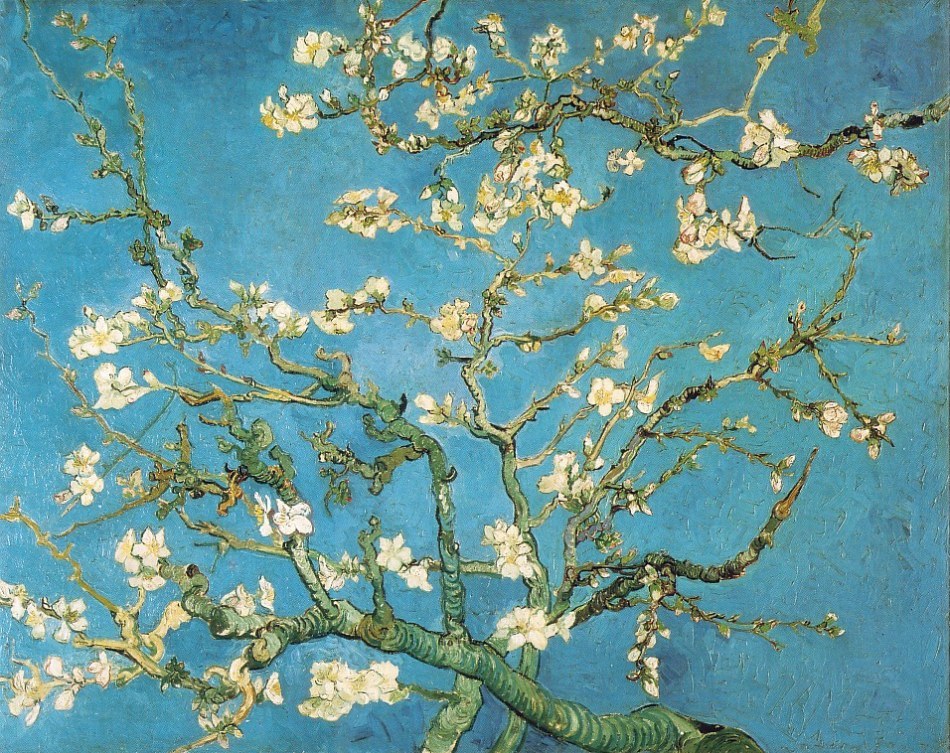
Van Gogh’s brother, Theo, who was an art dealer, supported him throughout his life.  Theo died six months after Vincent.  Theo’s wife, Johanna, inherited the bulk of Vincent’s paintings and it was she who promoted his work after his death and because of her constant promotion, we know Vincent Van Gogh today as the wonderful painter he was.  f_0671One of my favorite Van Gogh paintings, Blossoming Almond Tree, is one that his family cherished.  Van Gogh painted this piece as a gift to his brother’s newborn baby.  Vincent was deeply moved when they name the baby Vincent. It is an excellent example of the Japanese influence in art that he admired.
Read Full Post »
« Newer Posts - Older Posts »